Decoding How Progressive Triggers Shape Variant Choices in Portable Bingo Environments
Kirjoittanut Xander Schulz · 3.9.2026
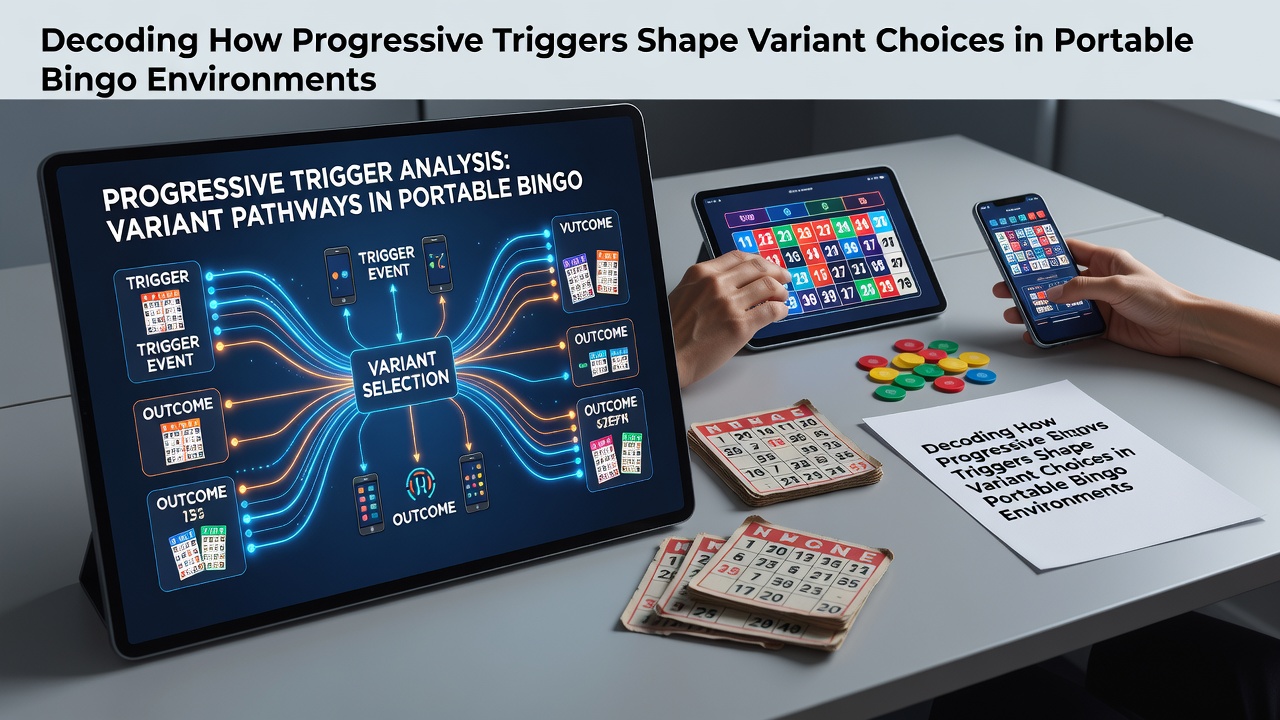
Decoding How Progressive Triggers Shape Variant Choices in Portable Bingo Environments
Portable bingo environments rely on mobile applications where progressive triggers determine jackpot accumulation across multiple games, and these mechanisms directly influence which variants players select during sessions. Progressive triggers operate through pooled contributions from bets placed in real time, building larger prizes that activate once specific thresholds or random events occur, and this structure encourages participants to favor certain game formats over others because the potential returns scale differently depending on ball count, speed settings, and ticket structures.
Mechanics of Progressive Triggers in Mobile Settings
Researchers tracking mobile gaming data note that progressive triggers function by allocating a percentage of each wager into a shared pool, which continues to grow until a predefined condition such as a specific pattern completion or random seed match releases the funds, and this continuous buildup creates visible meters that update live on player screens. In September 2026 operators across multiple regions reported increased integration of these triggers into 75-ball and 90-ball formats, where the trigger frequency varies based on game pace and number of active participants, leading players to shift preferences toward variants that balance trigger accessibility with payout size.
Those who examine player logs find that variants with faster ball draws tend to pair more frequently with progressive elements because shorter round durations allow quicker contributions to the pool, whereas slower formats accumulate value over extended periods and attract different segments seeking larger but less frequent wins. Data from the Canadian Centre on Substance Use and Addiction shows that mobile bingo sessions incorporating visible progressive meters experience higher retention rates when the trigger mechanism ties directly to community-linked rooms rather than isolated single-player modes.
Variant Selection Patterns Driven by Trigger Design
Observers analyzing application analytics observe that players gravitate toward 90-ball variants when progressive triggers emphasize pattern-based wins such as full house completions, since these offer multiple intermediate prize tiers before the main jackpot activates, and this layered approach provides more frequent feedback during mobile play. In contrast 75-ball options gain traction in environments where triggers rely on speed multipliers or consecutive round contributions, because the reduced ball count shortens each cycle and accelerates pool growth visible to users on portable devices.
Additional variants incorporating side games or bonus rounds often embed secondary progressive elements that feed into the primary pool, and this layering shapes choices by allowing participants to allocate stakes across multiple trigger pathways within a single session. Figures from industry reports compiled by the Australian Gambling Research Centre reveal that mobile users in September 2026 increasingly selected hybrid bingo formats where progressive triggers reset partially after smaller wins, maintaining momentum without complete pool depletion and thereby sustaining engagement across different ticket price points.
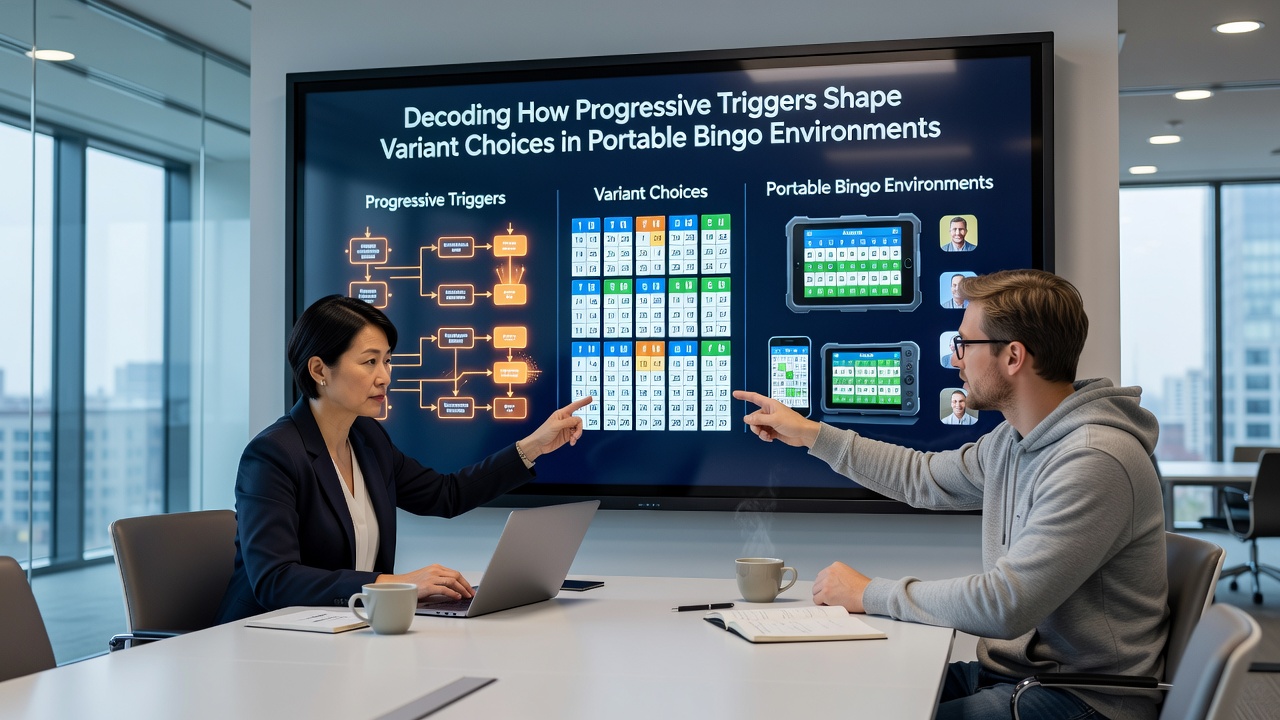
Regional Data on Mobile Bingo Preferences
Studies conducted by the International Gaming Institute at the University of Nevada indicate that trigger visibility on portable screens correlates with higher selection rates for progressive-enabled rooms, particularly in regions where regulatory frameworks require clear disclosure of contribution percentages and activation probabilities. Portable environments allow seamless switching between variants mid-session, and this flexibility amplifies the impact of progressive triggers because players can compare pool sizes across options before committing additional stakes.
Evidence collected from operator dashboards demonstrates that September 2026 saw measurable upticks in 80-ball and speed bingo variants when progressive triggers included daily or weekly caps that guaranteed minimum payouts, reducing perceived risk for mobile users who prefer shorter commitment windows. These patterns emerge consistently across different device types, although tablet users show stronger preference for variants with more complex trigger conditions compared to smartphone sessions limited by screen real estate.
Future Considerations for Trigger Integration
Developers continue refining how progressive triggers interact with variant parameters such as ticket pricing, draw frequency, and community size, and this ongoing adjustment process determines which formats remain prominent in portable bingo catalogs. Regulatory bodies in multiple jurisdictions now require transparent reporting on trigger algorithms, which in turn affects how operators present variant options to ensure compliance while maintaining appeal through competitive jackpot growth rates.
Conclusion
Progressive triggers serve as central drivers in portable bingo environments by linking jackpot accumulation directly to player activity across variants, and the resulting data patterns show clear correlations between trigger design elements and selection behaviors observed through September 2026. Mobile platforms continue evolving these systems to accommodate shifting preferences while meeting oversight requirements from diverse regulatory sources, creating a landscape where variant choices reflect both mechanical incentives and visible reward structures.